
Anatomy of a Sneaker
Ever looked down at your shoes and wondered what actually makes them work? Whether you're lacing up Jordan 1s, breaking in some New Balances, or flexing in the latest Nike tech, every sneaker is a masterclass in design and engineering. Let's break down the anatomy of a sneaker—from the rubber that hits the pavement to the tiny details that separate grails from shelf-warmers. The Upper: The upper is everything you see above the sole. It's where you'll find the most variation between different sneaker models. Uppers can be constructed from leather, suede, mesh, canvas, knit fabrics, or synthetic materials. Leather uppers on Jordan 1s or Dunks offer durability and that classic look that ages beautifully. Mesh uppers on running shoes like ASICS GEL-Kayano models provide breathability. Adidas Primeknit and Nike Flyknit technologies brought sock-like construction into the mainstream, offering flexibility that molds to your foot. The Toe Box: The front section that houses your toes. The shape and construction of the toe box affect both fit and aesthetic. Basketball sneakers often feature reinforced toe boxes for durability during quick cuts, while running shoes may have more flexible toe boxes to allow natural foot movement. The toe cap—an overlay piece at the very front—adds extra protection and structure. The Vamp: The vamp extends from the toe box back to where your laces start. It's a critical structural component that influences how the shoe fits across the top of your foot. Many classic sneakers feature a stitched or welded vamp that creates distinctive design lines. Panels and Overlays: Look closely at any sneaker and you'll see panels, individual pieces of material stitched or glued together. The iconic Nike Swoosh sits on a side panel. The three stripes on Adidas shoes are overlays that add both branding and structural support. These panels aren't just aesthetic; they reinforce high-stress areas and provide stability during movement. The Collar and Heel Counter: The collar is the padded opening where your foot enters the shoe. It provides comfort around your ankle and can be high-cut (like on Air Jordan 1s), mid-cut, or low-cut depending on the sneaker's purpose. Inside the heel area, you'll often find a heel counter, a rigid or semi-rigid cup that cradles your heel and prevents excessive movement. You can't always see it, but you can feel it providing that locked-in stability. Lacing Systems and Eyelets: Sure, laces seem simple, but the lacing system plays a huge role in fit and lockdown. Traditional eyelets are punched or reinforced holes through which laces thread. Some performance sneakers, like Salomon, use speed lacing systems with toggles for quick adjustments, while others feature asymmetrical lacing that reduces pressure points. Metal eyelets on classic sneakers like Chuck Taylors add durability, while molded plastic eyelets on modern runners reduce weight. The number and placement of eyelets affect how customizable your fit can be. More eyelets generally mean more adjustment options. The Tongue: The tongue sits between the laces and the top of your foot, providing cushioning and comfort while protecting your foot from lace pressure. High-performance sneakers often feature gusseted tongues that attach to the upper's sides, preventing the tongue from sliding around and keeping debris out. Some sneakers go minimal with thin tongues, while others—especially retro basketball models—rock thick, padded tongues that became iconic in their own right. Think about those fat tongues on Air Jordan 4s or the puffy tongues on classic Nike basketball shoes. The Midsole: If the upper is style, the midsole is science. This is the layer between the outsole (the bottom that touches the ground) and your foot, and it's where all the cushioning technology lives. Foam Technologies: EVA foam has been the industry standard for decades—it's lightweight, affordable, and provides decent cushioning. But brands have pushed far beyond basic EVA. Nike's React foam and ZoomX offer responsive, bouncy rides. Adidas Boost technology uses TPU pellets to create exceptional energy return. New Balance's FuelCell provides a propulsive feel for runners. Each foam has different density, responsiveness, and durability characteristics. Air Units and Encapsulated Tech: Nike revolutionized sneakers with visible Air cushioning—pressurized air units encapsulated in tough urethane. You'll see Air Max units in everything from running shoes to lifestyle sneakers. ASICS uses GEL cushioning inserts in high-impact areas, providing shock absorption without sacrificing responsiveness. Midsole Construction: Some midsoles are single-density throughout, while performance models often feature dual-density construction with firmer foam on the medial side to prevent overpronation. Carbon fiber plates, TPU shanks, and other stability features might be embedded in the midsole for support and propulsion. The Outsole: The outs


Ever looked down at your shoes and wondered what actually makes them work? Whether you're lacing up Jordan 1s, breaking in some New Balances, or flexing in the latest Nike tech, every sneaker is a masterclass in design and engineering. Let's break down the anatomy of a sneaker—from the rubber that hits the pavement to the tiny details that separate grails from shelf-warmers.
The Upper: The upper is everything you see above the sole. It's where you'll find the most variation between different sneaker models. Uppers can be constructed from leather, suede, mesh, canvas, knit fabrics, or synthetic materials. Leather uppers on Jordan 1s or Dunks offer durability and that classic look that ages beautifully. Mesh uppers on running shoes like ASICS GEL-Kayano models provide breathability. Adidas Primeknit and Nike Flyknit technologies brought sock-like construction into the mainstream, offering flexibility that molds to your foot.
The Toe Box: The front section that houses your toes. The shape and construction of the toe box affect both fit and aesthetic. Basketball sneakers often feature reinforced toe boxes for durability during quick cuts, while running shoes may have more flexible toe boxes to allow natural foot movement. The toe cap—an overlay piece at the very front—adds extra protection and structure.

The Vamp: The vamp extends from the toe box back to where your laces start. It's a critical structural component that influences how the shoe fits across the top of your foot. Many classic sneakers feature a stitched or welded vamp that creates distinctive design lines.
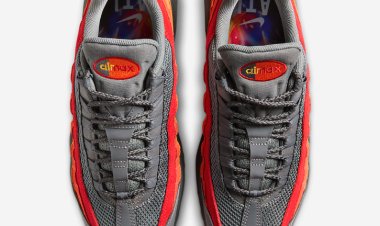
Panels and Overlays: Look closely at any sneaker and you'll see panels, individual pieces of material stitched or glued together. The iconic Nike Swoosh sits on a side panel. The three stripes on Adidas shoes are overlays that add both branding and structural support. These panels aren't just aesthetic; they reinforce high-stress areas and provide stability during movement.
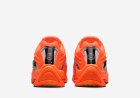
The Collar and Heel Counter: The collar is the padded opening where your foot enters the shoe. It provides comfort around your ankle and can be high-cut (like on Air Jordan 1s), mid-cut, or low-cut depending on the sneaker's purpose. Inside the heel area, you'll often find a heel counter, a rigid or semi-rigid cup that cradles your heel and prevents excessive movement. You can't always see it, but you can feel it providing that locked-in stability.
Lacing Systems and Eyelets: Sure, laces seem simple, but the lacing system plays a huge role in fit and lockdown. Traditional eyelets are punched or reinforced holes through which laces thread. Some performance sneakers, like Salomon, use speed lacing systems with toggles for quick adjustments, while others feature asymmetrical lacing that reduces pressure points.
Metal eyelets on classic sneakers like Chuck Taylors add durability, while molded plastic eyelets on modern runners reduce weight. The number and placement of eyelets affect how customizable your fit can be. More eyelets generally mean more adjustment options.

The Tongue: The tongue sits between the laces and the top of your foot, providing cushioning and comfort while protecting your foot from lace pressure. High-performance sneakers often feature gusseted tongues that attach to the upper's sides, preventing the tongue from sliding around and keeping debris out. Some sneakers go minimal with thin tongues, while others—especially retro basketball models—rock thick, padded tongues that became iconic in their own right. Think about those fat tongues on Air Jordan 4s or the puffy tongues on classic Nike basketball shoes.
The Midsole: If the upper is style, the midsole is science. This is the layer between the outsole (the bottom that touches the ground) and your foot, and it's where all the cushioning technology lives.
Foam Technologies: EVA foam has been the industry standard for decades—it's lightweight, affordable, and provides decent cushioning. But brands have pushed far beyond basic EVA. Nike's React foam and ZoomX offer responsive, bouncy rides. Adidas Boost technology uses TPU pellets to create exceptional energy return. New Balance's FuelCell provides a propulsive feel for runners. Each foam has different density, responsiveness, and durability characteristics.
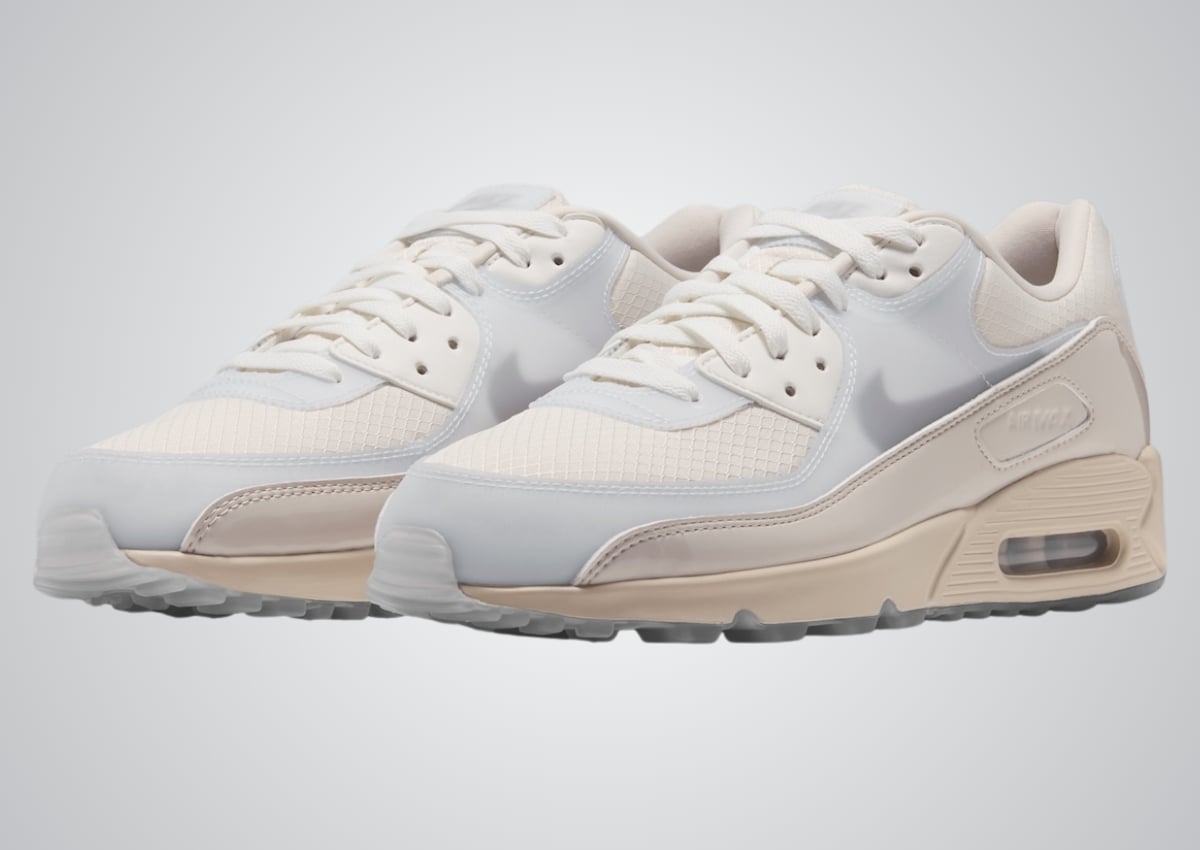
Air Units and Encapsulated Tech: Nike revolutionized sneakers with visible Air cushioning—pressurized air units encapsulated in tough urethane. You'll see Air Max units in everything from running shoes to lifestyle sneakers. ASICS uses GEL cushioning inserts in high-impact areas, providing shock absorption without sacrificing responsiveness.

Midsole Construction: Some midsoles are single-density throughout, while performance models often feature dual-density construction with firmer foam on the medial side to prevent overpronation. Carbon fiber plates, TPU shanks, and other stability features might be embedded in the midsole for support and propulsion.
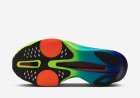
The Outsole: The outsole is the bottom layer that actually contacts the ground, and it's all about traction, durability, and protection. Outsoles typically use rubber compounds ranging from soft and grippy (great for traction, wears faster) to hard and durable (lasts longer, less grip). Many sneakers use different rubber in different zones—softer rubber under the forefoot for push-off, harder rubber in the heel for durability.
Tread Patterns: The pattern on the bottom isn't random. Basketball shoes feature herringbone or multidirectional patterns for quick cuts on hardwood. Running shoes have segmented treads that flex with your foot's natural motion. Lifestyle sneakers might prioritize flat, clean patterns that look good while still providing basic traction.
The Shank: Between the midsole and outsole, some sneakers include a shank—a rigid piece of plastic, carbon fiber, or TPU that provides torsional stability and prevents the shoe from twisting. You'll find shanks in trail runners, basketball shoes, and other performance models where stability is crucial.
Cemented vs. Vulcanized: Cemented construction uses adhesive to attach the sole unit to the upper—it's the most common method today. Vulcanized construction (like on Vans or Converse) involves wrapping the upper around a mold, adding the rubber sole, and heating everything together. Vulcanized shoes have that distinctive rubber sidewall and tend to be more flexible.

Small Details That Make Big Differences
Heel Pulls and Pull Tabs: Those loops at the back of sneakers aren't just decorative—they help you slide the shoe on and become design signatures on models like Jordan 4s and various trail runners.
Reflective Details: 3M reflective elements started as a safety feature for runners but became a coveted design detail. They look normal in daylight but light up dramatically when hit by a camera flash or headlights.
Mudguards: That piece of rubber or leather wrapping around the base of the upper protects against abrasion and moisture. Basketball shoes and outdoor sneakers often feature prominent mudguards for durability.
Why It All Matters
Understanding sneaker anatomy helps you make better choices. Next time you're checking out a new release or browsing your collection, take a closer look at all these details. Every element—from the foam in the midsole to the pattern of the outsole—serves a purpose. Whether you're a runner chasing personal records, a hooper dominating the court, or a sneakerhead appreciating the craft, knowing what goes into your kicks deepens the appreciation.